
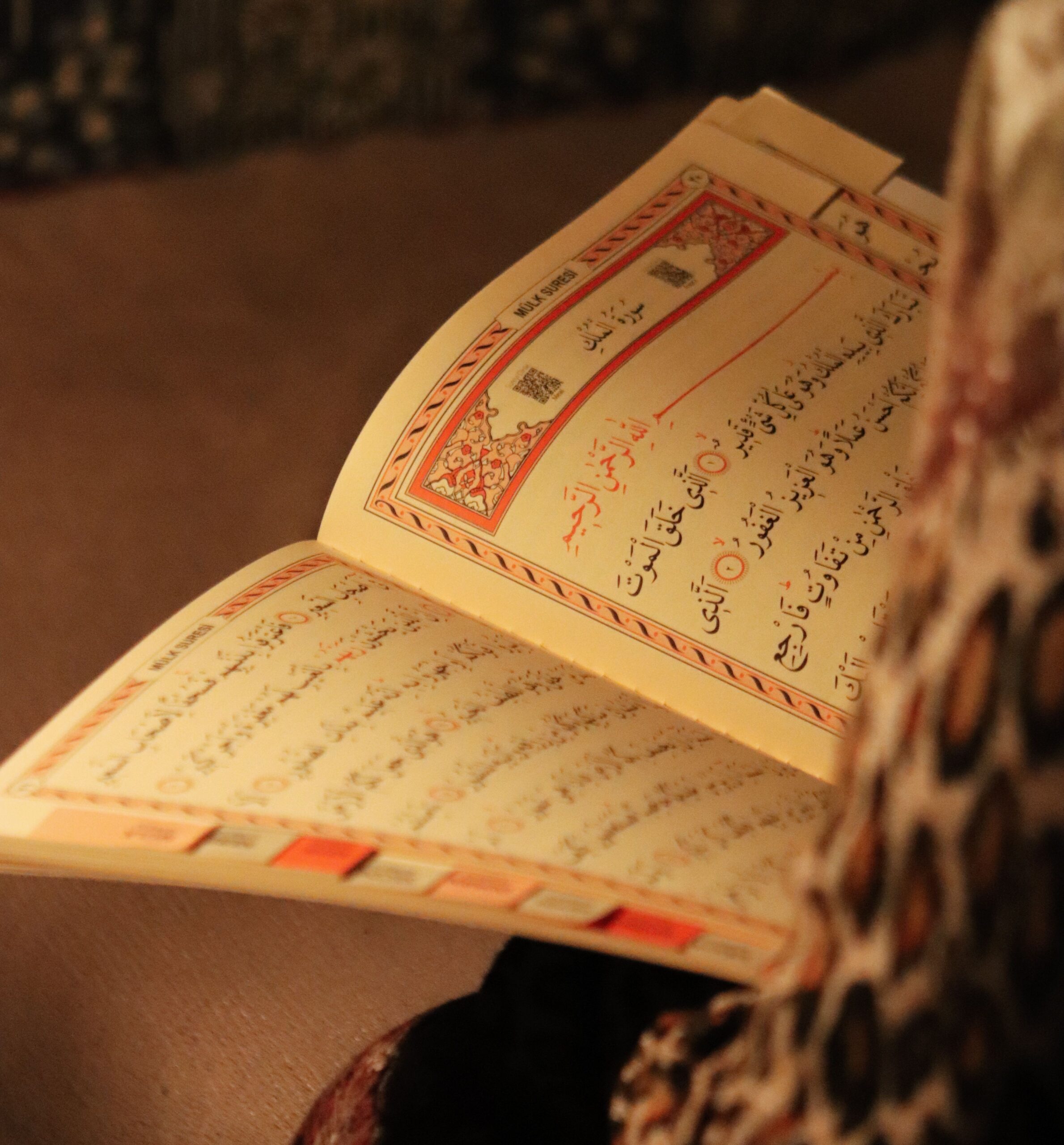
Starting Hifz can be an exciting moment for a family, but successful Quran memorisation is not measured only by how many pages, surahs, or ajza a child completes.
The more important question is: how much can the child retain and recite accurately over time?
A child who memorises quickly but forgets previous lessons needs a different plan from a child who memorises slowly but retains each passage securely.
Strong Hifz is built through realistic pacing, correct recitation, repeated review, and a routine the child can sustain.
Memorising Is Not the Same as Retaining
A child may recite a new passage correctly after repeating it many times. That does not yet mean the passage is secure.
The child may struggle with it:
Retention develops through repeated review over time.
“And We have certainly made the Quran easy for remembrance, so is there anyone who will be mindful?”Surah Al-Qamar, Ayah 17
This ayah should encourage effort, but it should not be turned into a promise that memorisation requires no discipline. Children still need repetition, revision, correction, and patience.
Why Realistic Pacing Matters
Every child has a different memorisation capacity. The right amount depends on:
A fixed target such as one page per day may suit one learner and overwhelm another.
When the assigned portion is too large, the child may begin to:
- Rush pronunciation
- Depend on prompts
- Mix similar ayat
- Avoid revision
- Become anxious before lessons
- Forget older surahs
- Memorise without understanding where verses begin and end
The Three Parts of a Hifz Routine
New Memorisation
The new passage the child is currently learning. It should be small enough to memorise accurately within the available practice time.
Recent Revision
Passages memorised during recent days or weeks. These lessons are still fragile and need frequent repetition.
Older Revision
Surahs or ajza memorised earlier. Older memorisation must remain part of the schedule so it is not lost.
A strong Hifz Program should give all three areas deliberate attention.
How Much Should a Child Memorise Each Day?
There is no universal answer. A beginner may start with one short ayah, two or three lines, or a small section of a short surah. A more experienced child may manage a larger portion.
A suitable portion allows the child to:
The target should be reviewed when the child’s school routine, health, concentration, or family schedule changes.
Signs the Hifz Pace May Be Too Fast
These signs do not always mean the child should stop Hifz. They mean the plan needs to be reviewed.
Give the child more time to secure each passage.
Strengthen lessons that are still fragile.
Use a short repair period when older memorisation is becoming unstable.
Weak reading can make memorisation slower and increase pronunciation errors.
Do not allow an incorrectly pronounced version to become the memorised version.
A better time of day may improve attention and reduce resistance.
Revision Should Grow With Memorisation
At the beginning, revision may feel simple because the child knows only a few surahs. As memorisation grows, revision requires more time and organisation.
The new lesson should not continue expanding while revision stays unchanged.
A weekly rotation may include:
- Recent passages reviewed daily
- Older surahs divided across the week
- Weak sections repeated more frequently
- A longer review session at the end of the week
How a Child Can Learn a New Passage
Listen to the Teacher
Hear the passage recited correctly before beginning intensive repetition.
Read Directly From the Mushaf
Confirm the words, vowel movements, and verse boundaries.
Correct Pronunciation First
Do not memorise an incorrectly pronounced version.
Divide the Passage
Break the assignment into small, manageable sections.
Repeat Each Section
Use enough repetition for the words and sequence to become familiar.
Connect the Sections
Join the smaller parts gradually until the passage flows correctly.
Recite Without Looking
Check whether the child can recall the passage without constant prompts.
Review Later the Same Day
Return to the passage after a gap instead of relying on one practice session.
Recite It the Following Day
Test whether the lesson has remained after sleep and time away.
Add It to the Revision Schedule
Move the passage into recent revision before it becomes part of older revision.
Children who are not yet reading securely may first need to build strong Quran reading foundations. A Practical Tajweed Course can also help prevent pronunciation mistakes from becoming fixed during memorisation.
The Role of a Hifz Teacher
A Hifz teacher should do more than listen to the new lesson. The teacher should monitor:
The teacher should know when to move forward and when to pause. A child should not receive a larger portion simply because they completed today’s assignment once.
How Parents Can Support Hifz at Home
Protect a Regular Practice Time
Choose a time when the child is reasonably rested and able to concentrate.
Ask for the Teacher’s Exact Plan
Know which passage is new, which is recent revision, and which is older revision.
Listen Calmly
Allow the child to complete a section before interrupting. Mark difficult places and return to them afterwards.
Avoid Increasing the Target
More is not always better. Follow the teacher’s assigned portion unless the plan has been discussed.
Notice Retention
Ask the child to revise older surahs, not only the newest lesson.
Keep Hifz Separate From Punishment
Do not use extra Quran memorisation as a consequence for unrelated behaviour.
Communicate Early
Tell the teacher when schoolwork, illness, travel, or family changes are affecting practice.
Understanding Similar Ayat
As memorisation grows, children may confuse passages with similar words or structures. This is common.
The teacher can help by:
- Showing the two passages side by side
- Highlighting the different word
- Explaining the surrounding meaning
- Repeating the transition before and after it
- Testing the passage in a different order
- Returning to the same comparison later
Simply saying “you keep mixing these verses” does not solve the problem. The child needs a method for distinguishing them.
How to Choose a Hifz Programme
Look for a programme that includes:
Be cautious if a programme focuses mainly on completion dates. No academy can responsibly guarantee that every child will complete Hifz within the same period.
Parents can review Midad’s Hifz Class Plans and Fees before choosing a weekly schedule.
Strong Hifz Is Built Through Retention
A successful Hifz journey does not need to be rushed. Some weeks will move quickly. Other weeks may be used to repair weak passages. Both can be part of progress.
The goal is not only for the child to reach the final page. The goal is for the child to carry the memorised Quran with accuracy, regular revision, and a sustainable relationship with it.
Frequently Asked Questions
What is the best age to start Hifz?
There is no single best age. A child should have enough reading ability, concentration, willingness, and family support to follow a consistent routine.
Should a child have fluent Quran reading before Hifz?
Strong reading makes Hifz easier and reduces pronunciation errors. Some short-surah memorisation can begin earlier, but a full Hifz programme normally benefits from secure reading foundations.
How much Quran should a child memorise daily?
The amount should match the child’s level and available revision time. A smaller portion retained accurately is better than a larger portion forgotten quickly.
What should happen when a child forgets previous lessons?
The teacher may reduce or pause new memorisation and increase revision until the weak passages become stable.
Can children complete Hifz online?
Online Hifz can work when lessons are consistent, one-to-one, supported by home revision, and led by a teacher who tracks both new memorisation and older revision.
How can parents test Hifz without creating pressure?
Listen to short assigned sections, avoid showing frustration, mark difficult points, and share repeated problems with the teacher.
Your Child May Be Ready for Memorisation, or They May Need Stronger Reading and Revision First.
Begin with three completely free one-to-one trial classes. We will help you consider your child’s reading, memorisation, revision, and lesson needs before recommending the next step.
