
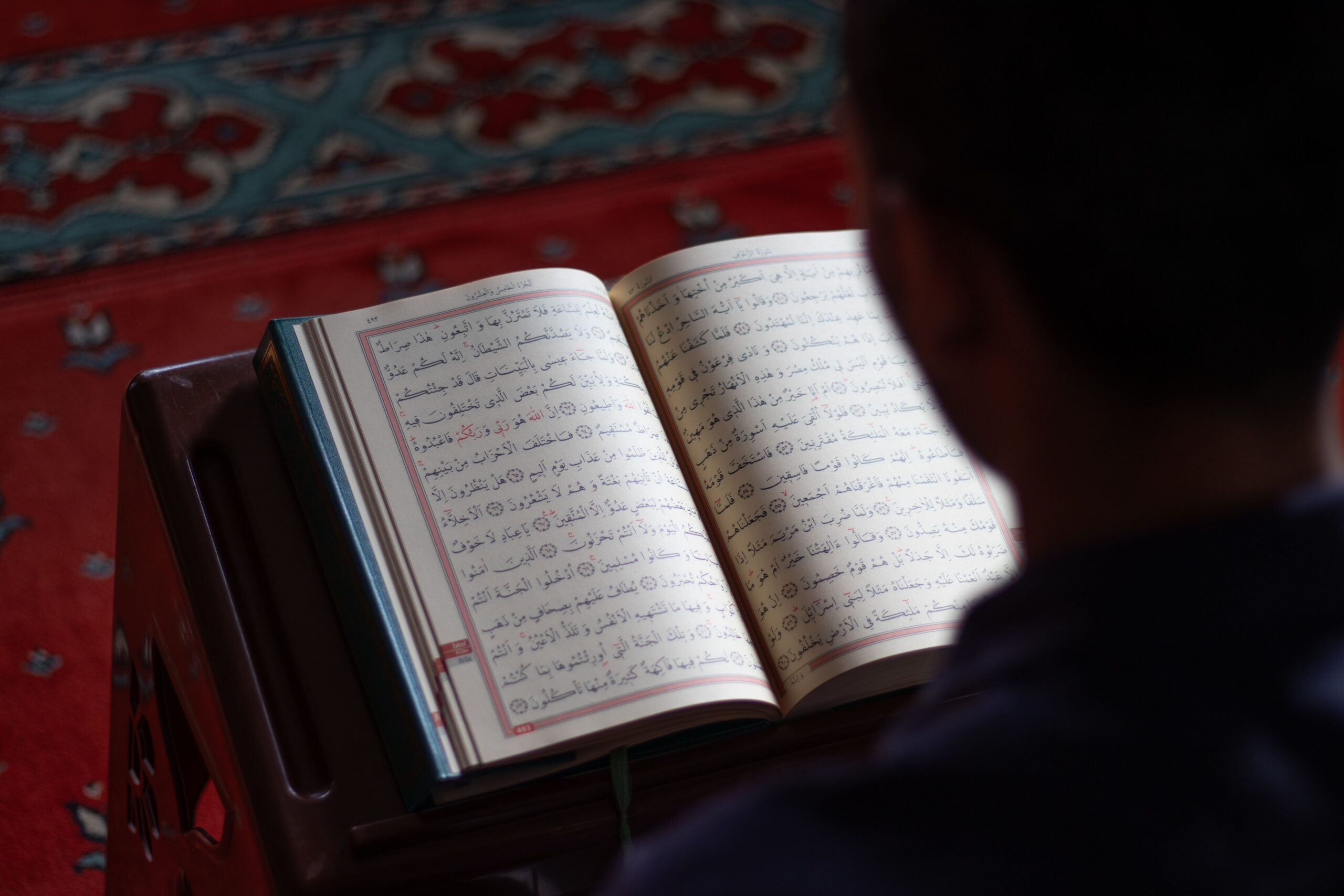
Many children know individual Islamic facts, but useful Islamic learning should help them understand how belief, worship, and character connect to daily life.
A child may know the names of the five prayers, memorise several duas, or recognise the names of prophets. That knowledge matters, but it becomes more valuable when the child knows what it means and how to use it.
The aim is not to cover the largest number of topics. It is to help the child understand, remember, and apply what they learn.
Islamic Learning Should Be Practical
A child may memorise the dua before eating but forget to say it at the table. They may list the steps of wudu but perform them in the wrong order. They may learn that Islam teaches kindness but still need help applying it with siblings.
This does not mean the lesson failed. It means knowledge needs repetition, demonstration, and practical use.
A useful Islamic Studies lesson may include:
One Clear Idea
Keep the lesson focused enough for the child to understand the main point.
A Simple Explanation
Use language that matches the child’s age and previous learning.
A Real-Life Example
Show how the lesson connects to home, school, friendships, or worship.
A Question or Activity
Give the child a chance to respond, demonstrate, or think through the idea.
A Small Action to Practise
Choose one practical step the child can use during the week.
Core Islamic Beliefs Children Should Understand
Children should gradually learn the foundations of Islamic belief in language suitable for their age.
Young children need clear and concrete explanations. Older children can explore questions in greater depth. The teacher should make room for questions instead of making the child feel embarrassed for asking.
Salah and Wudu
Children should learn both the knowledge and the practice of salah.
Surah Taha, Ayah 132 connects family prayer with patience and persistence.Quran 20:132
Children rarely build a prayer routine after one explanation. They need reminders, modelling, encouragement, and time.
Duas and Daily Remembrance
Children can learn duas connected to activities they already perform.
The child should learn:
- The Arabic words
- A clear meaning
- When to say the dua
- How to use it in daily life
Manners and Akhlaq
Islamic Studies should give serious attention to character.
Surah Luqman presents advice from Luqman to his son covering belief, prayer, patience, humility, behaviour, and moderation. It gives a strong model because belief and behaviour are taught together.
This helps the child translate a value into an action.
The Seerah of Prophet Muhammad ﷺ
Children should know who Prophet Muhammad ﷺ was and why Muslims follow him.
Seerah should not become a collection of dates without meaning. Each story should help the child understand a lesson.
- What can we learn from his patience?
- How did he respond when people were unkind?
- Why did people trust him?
- How can we follow his example at school?
Stories of the Prophets
Quranic stories can help children understand faith, courage, patience, repentance, and trust in Allah.
The teacher should distinguish clearly between Quranic information and unverified storytelling. Entertaining details should not be invented to make a lesson more dramatic.
Learning About Halal, Haram, and Responsibility
Children should learn practical rules gradually, at a level suited to their age.
A six-year-old and a fifteen-year-old should not receive the same explanation.
Age-Appropriate Islamic Studies
Ages 6–8
Allah as Creator, simple duas, basic prayer movements, short prophet stories, kindness, Islamic greetings, and cleanliness.
Ages 9–12
More detailed salah, wudu rules, Seerah sequence, Islamic manners, personal responsibility, worship questions, and practical home and school situations.
Ages 13–16
Stronger understanding of beliefs, worship and accountability, identity, friendship, online behaviour, modesty, doubts, and thoughtful application of Islamic principles.
Age ranges are only a guide. The teacher should consider the child’s maturity and previous learning.
How Parents Can Reinforce Islamic Studies
Parents do not need to repeat the whole lesson. They can help by bringing one lesson into family life.
Practise One Dua
Use the assigned dua during the week in its real daily situation.
Demonstrate Wudu
Let the child show the steps and calmly review anything that needs correction.
Discuss One Seerah Lesson
Ask what the story teaches and how it applies at home or school.
Use a Family Prayer Chart
Keep it simple and supportive rather than turning it into a source of shame.
Let the Child Teach
Ask the child to explain one point to a younger sibling or parent.
Recognise Application
Notice when the child uses a dua, shows good manners, or applies a lesson independently.
Avoid turning every conversation into a test. A child is more likely to discuss questions when they do not expect immediate criticism.
What a Structured Islamic Studies Course Should Include
Parents should be able to understand what is being taught and why it matters.
Build Quran and Islamic learning around the child’s real needs.
Midad offers structured one-to-one learning with parent visibility and clear lesson direction.
Islamic Learning Should Leave the Lesson With the Child
The most useful Islamic Studies lesson is not always the one containing the most information. It is the one the child remembers and applies.
A child who understands one dua and begins using it has made progress. A child who learns one lesson from the Seerah and changes how they treat someone has made progress.
Islamic education should build knowledge, worship, identity, and character together.
Frequently Asked Questions
What topics are included in Islamic Studies for children?
A balanced course may include beliefs, duas, salah, wudu, Seerah, prophet stories, manners, Islamic identity, and practical daily guidance.
At what age should Islamic Studies begin?
Simple Islamic learning begins at home from an early age. Structured lessons can start when the child can listen, respond, and take part in short activities.
How can Islamic Studies be made interesting?
Use stories, questions, demonstrations, real-life examples, visual materials, short activities, and practical weekly actions.
Should children memorise duas without understanding them?
Children should learn the Arabic wording, but they should also understand the basic meaning and when the dua is used.
Can Islamic Studies be taught online?
Yes. Online lessons can work when they are interactive, age-appropriate, structured, and supported by simple home practice.
How can parents know what their child is learning?
The academy should provide lesson updates, curriculum information, or regular progress notes.
Your Child May Need Help With Salah, Duas, Manners, Seerah, or a More Complete Learning Routine.
Begin with three completely free one-to-one trial classes. We will help you consider a suitable starting point for your child’s Islamic Studies.
