Quran Memorization · Hifz

Memorise the Quran With Revision, Correction, and Steady Support.

Hifz is not only about learning new portions. Strong memorisation needs regular revision, careful correction, honest checking, and a realistic pace that the learner can continue.

Our one-to-one Hifz classes help children, teens, and adults memorise with structure, revise what they have learnt, and keep progress clear for the family.

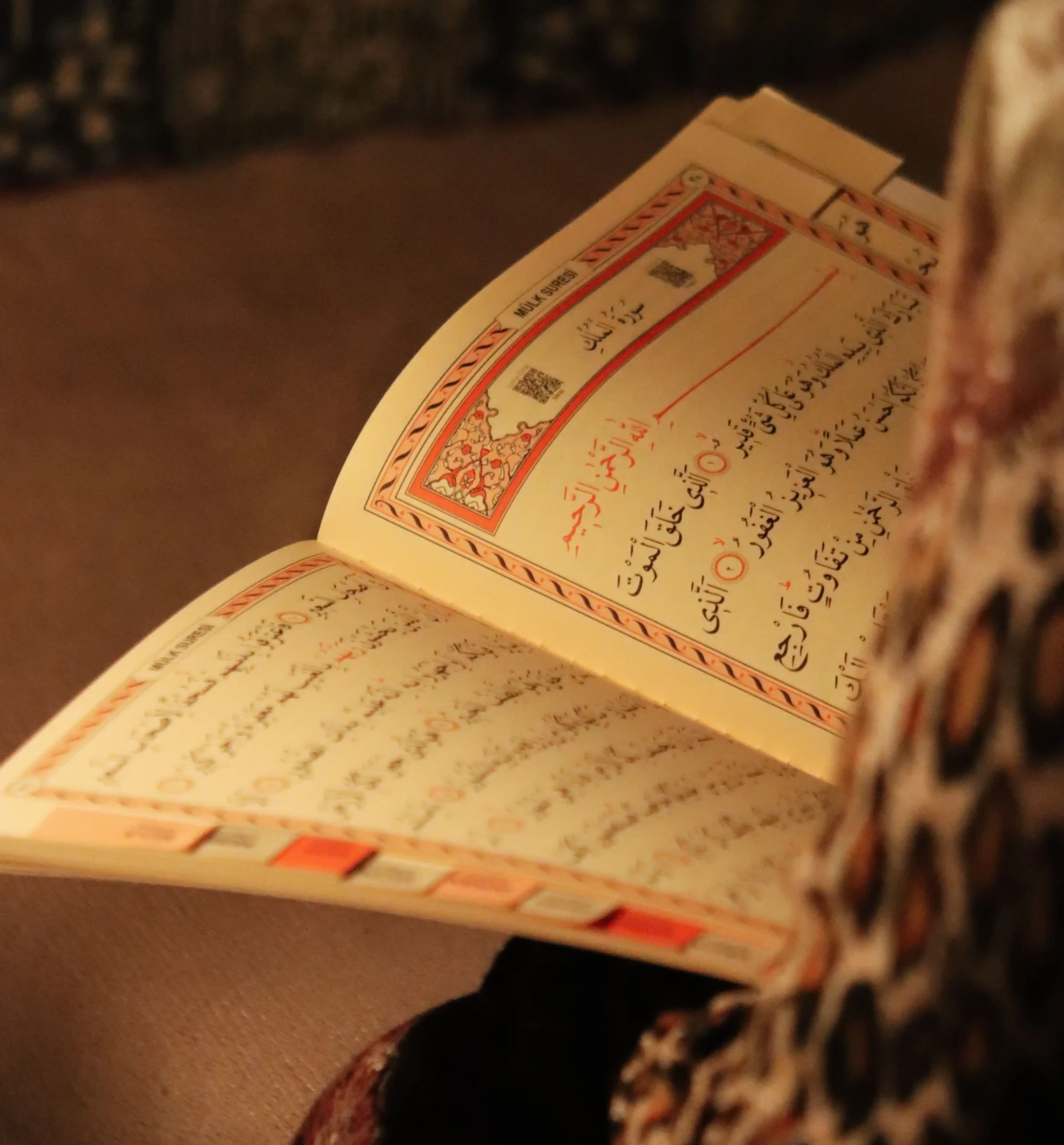
A learner reading the Quran carefully during Hifz practice
In It Is Guidance
New memorisation moves the learner forward. Revision protects the journey. Structured Hifz
Course Focus Memorisation With Revision
Suitable For Children, Teens and Adults
Class Format Live One-to-One Hifz Lessons
Who This Course Is For

For Anyone Ready to Memorise, Revise, or Rebuild Hifz Properly.

Some learners are starting fresh. Some are already memorising. Others have memorised before but need help bringing weak portions back. This course gives each learner a clearer Hifz path based on their current level.

A learner holding the Quran during focused memorisation practice
Course Readiness

The learner should already be able to read Quran with enough fluency to memorise and revise.

01

Starting From the Beginning

For learners who are ready to begin Hifz with structure and steady support.

02

Building on Existing Hifz

For learners who have already started and need better consistency, correction, and revision.

03

Rebuilding Weak Portions

For learners whose old memorisation needs checking, review, and regular strengthening again.

04

Learning as an Adult

For adults who want to memorise or revise Quran privately without pressure or unrealistic timelines.

Right Course Fit

Hifz works best when the learner can already read Quran with enough fluency to memorise and revise properly.

Choose the Right Hifz Plan

Every Learner Does Not Need the Same Hifz Plan.

Some learners need to begin memorisation. Some need to continue with better structure. Others need to rebuild older portions that have become weak. We first understand the learner's current position, then guide them towards the right Hifz plan.

01

Begin New Hifz

For learners who are ready to start memorising with a clear routine, realistic pace, and regular revision from the beginning.

02

Continue Existing Hifz

For learners who have already started memorising and need better structure, correction, and follow-up.

03

Rebuild Weak Memorisation

For learners who memorised before but now struggle to remember older portions properly.

04

Strengthen Revision Routine

For learners who need a stronger system to review recent and older memorisation consistently.

The Right Plan

Good Hifz support starts by knowing what is already strong, what is weak, and what needs to be protected next.

What Strong Hifz Needs

Structured Hifz That Is Memorised, Revised, and Protected.

A strong Hifz routine should not only add new portions. It should help the learner memorise carefully, revise regularly, correct mistakes, and keep older portions alive as new memorisation grows.

The Hifz Foundation

New Memorisation Needs Revision Around It.

Moving forward is not enough if earlier portions are becoming weak. Strong Hifz grows through memorisation, correction, revision, and a routine the learner can maintain.

01

Stronger Memorisation

New portions are memorised with care, repetition, and correction so they are not rushed or weak from the beginning.

02

Regular Revision

Recent and older portions are reviewed so memorisation does not fade while new lessons continue.

03

Clearer Recitation

Mistakes in pronunciation, fluency, and practical Tajweed are corrected during memorisation and revision.

04

Steady Routine

The learner builds a regular Hifz rhythm that fits their level, ability, and available practice time.

05

More Confidence

When memorisation, revision, and correction are managed clearly, the learner can continue Hifz with more confidence.

How Our Hifz Lessons Work

Each Lesson Connects New Memorisation With Revision and Correction.

In each lesson, the teacher listens to the learner's memorisation, corrects mistakes, checks revision, and gives the next target. This helps new and older portions stay connected instead of becoming separate, forgotten pieces.

A learner following a Quran page during structured Hifz practice
The Lesson Principle

Every class should protect yesterday's memorisation while building today's.

01

Listen to the New Lesson

The learner recites the prepared portion from memory while the teacher checks accuracy, confidence, and flow.

02

Fix Important Mistakes

The teacher corrects mistakes that affect wording, pronunciation, fluency, or practical Tajweed.

03

Check Recent Revision

Newly memorised portions are reviewed again so they do not fade quickly after being learnt.

04

Include Older Revision

Older portions are checked regularly according to the learner's revision plan.

05

Guide Home Practice

The learner leaves the lesson knowing what to memorise, revise, and correct before the next class.

The Lesson Aim

Every class should protect yesterday's memorisation while building today's.

How Revision Stays Strong

New Hifz Should Not Push Old Hifz Out of Sight.

A learner may memorise new portions, but without revision, those portions can weaken quickly. Our Hifz routine keeps new, recent, and older memorisation connected so progress does not become empty movement.

New Memorisation

Check What Was Just Memorised

Recent lessons are reviewed so the learner does not forget them soon after moving on.

Recent Revision

Return to Previous Portions

Older memorisation is checked regularly so it stays part of the learner's active memory.

Older Revision

Slow Down When Revision Is Weak

If revision is falling behind, the pace may need to be adjusted before adding too much new memorisation.

04

Correct Repeated Mistakes

Mistakes that return during revision are corrected and practised again.

05

Keep the Routine Clear

The learner should know what to memorise, what to revise, and what needs more attention.

A Quran page being turned during regular revision
The Revision Principle

Progress should mean the learner remembers more, not only covers more.

The Revision Aim

Progress should mean the learner remembers more, not only covers more.

Clear Hifz Class Rules

Hifz Progress Should Be Checked Honestly.

Memorisation only helps when the learner is actually reciting from memory. During Hifz checks, we expect the learner to stay focused, follow the teacher's instructions, and recite without reading from the Mushaf or using hidden prompts.

01

Recite From Memory

The learner is expected to recite the prepared portion from memory, not by looking at the page or using help in the background.

02

Stay Focused in Class

Hifz lessons need attention. The learner should be ready to listen, recite, correct mistakes, and respond to teacher guidance.

03

Camera on When Required

For memorisation checks, the learner may be asked to keep the camera on where appropriate, so the teacher can check focus and confirm honest recitation.

04

Follow Clear Class Rules

Simple rules help protect the quality of the lesson and make sure time is used properly.

05

Protect Everyone's Time

Honest checking helps the learner, parent, and teacher avoid fake progress and focus on real improvement.

The Standard

Serious, Fair, and Professionally Managed.

Hifz requires discipline, but the teaching should remain respectful, clear, and appropriate for the learner.

The Accountability Aim

Hifz should be checked properly, not guessed, rushed, or pretended.

Where Hifz Can Become Weak

Small Weaknesses Can Become Bigger Hifz Problems Later.

Hifz can look fine for a short time while deeper problems are growing underneath. If revision is weak, mistakes keep returning, or new memorisation is rushed, the learner may move forward without becoming stronger.

01

Rushing New Memorisation

Moving too fast can make new portions weak from the beginning, especially when revision and correction are not strong enough.

02

Weak Revision

If recent and older portions are not reviewed properly, memorisation can fade even while new lessons continue.

03

Repeated Mistakes

Mistakes in words, pronunciation, fluency, or Tajweed should not be allowed to return again and again without correction.

04

Forgotten Old Portions

Older memorisation needs to be brought back into the routine before it becomes harder to recover.

05

Unrealistic Pace

Every learner cannot memorise at the same speed. The pace should match their ability, routine, and revision strength.

The Main Concern

Hifz should not only look like progress. It should become stronger in reality.

How We Track Hifz Progress

Parents Should Know What Is Memorised, Revised, and Still Weak.

Hifz progress should be clear, not hidden inside the lesson. We keep attention on what the learner memorised, what was revised, what mistakes appeared, and what needs more work before moving forward.

01

What Was Memorised

You should know which new portion the learner worked on and whether it was recited with enough accuracy.

02

What Was Revised

Recent and older revision are tracked so memorisation does not only move forward on paper.

03

What Needs Correction

Mistakes in wording, pronunciation, fluency, or Tajweed are kept visible so they can be corrected again.

04

What Is Becoming Stronger

Progress is shown through portions that are becoming clearer, smoother, and easier to recite from memory.

05

What Comes Next

The learner should know what to memorise, revise, and prepare before the next lesson.

MIDAD Hifz Progress Record

A Clear Update, Without Invented Scores.

New Memorisation
Portion practised, accuracy observed, and areas requiring another check.
Recent Revision
Newly memorised portions checked again for recall, flow, and recurring mistakes.
Older Revision
Previous memorisation reviewed according to the learner's current revision plan.
Correction Focus
Wording, pronunciation, fluency, or Tajweed areas that need continued practice.
Next Priority
What to memorise, revise, correct, and prepare before the next lesson.

This is a progress-note structure, not a fake result, rating, percentage, or guaranteed outcome.

The Progress Standard

A good Hifz update should show both progress and responsibility.

Start With Free Hifz Trial Classes

Try the Hifz Teaching Before You Choose the Plan.

You do not need to choose a plan before the learner has experienced the class. Start with three free trial classes, let the teacher understand the learner's reading, memorisation, revision, and readiness, then continue only if the teaching feels right.

01

Tell Us About the Learner

Share the learner's age, reading level, Hifz experience, memorised portions, revision strength, and any concerns you want us to understand.

02

Try Three Free Classes

The learner experiences real one-to-one Hifz lessons before you decide whether to continue.

03

Understand the Right Plan

During the trial, we can see whether the learner should begin new Hifz, continue existing Hifz, or rebuild weak revision.

04

Decide With Clarity

After the trial, you can ask questions, understand the suitable next step, and choose whether to enrol.

The Simple Start

Try the Hifz teaching first. Continue only when it feels right.

Choosing the Hifz Schedule

The Right Routine Matters More Than the Fastest Plan.

Hifz needs consistency. After the trial, we help you choose a class routine that fits the learner's level, revision needs, and available preparation time, instead of pushing a schedule that becomes difficult to maintain.

01

Try the Lessons First

The learner begins with three free trial classes before any regular plan is chosen.

02

Check the Hifz Load

We consider new memorisation, recent revision, older revision, and weak areas before suggesting the next step.

03

Set a Realistic Routine

The class frequency should support steady memorisation without making revision fall behind.

04

Arrange Class Timing

A suitable time is arranged based on available teacher slots and your routine.

05

Know the Cost Clearly

You should understand the regular fee before continuing after the trial.

Hifz Questions Parents Ask

Clear Answers About Memorisation, Revision, and Class Rules.

Before starting Quran memorisation, families should understand how Hifz lessons work, how revision is handled, what level the learner needs, and how progress is checked honestly.

01 Does the Learner Need to Read Quran Before Starting Hifz?

Yes. The learner should be able to read Quran before starting Hifz. If reading is still weak, Quran Reading or Tajweed may be the better first step.

02 Can My Child Start Hifz From the Beginning?

Yes. If your child can read Quran and is ready for regular memorisation, they can begin Hifz with a clear routine and suitable pace.

03 What if the Learner Has Already Memorised Some Portions?

That is fine. We first check what has already been memorised, what is still strong, and what needs revision before planning the next step.

04 Do You Help With Weak or Forgotten Hifz?

Yes. If old memorisation has become weak, we can help the learner review, correct, and rebuild those portions through a clearer revision routine.

05 How Fast Can the Learner Memorise?

The pace depends on the learner's reading level, memory strength, revision, preparation time, and consistency. We do not promise fixed completion times.

06 How Do You Manage Revision?

Revision is built into the Hifz routine. Recent and older portions are checked regularly so new memorisation does not make previous memorisation weak.

07 What Are Sabaq, Sabaqi, Manzil, or Dhor?

These terms are often used for new memorisation, recent revision, and older revision. At Midad, we explain the routine in simple language so families understand what is being memorised, revised, and strengthened.

08 Are Hifz Lessons Strict?

Hifz needs discipline, but teaching should still be respectful. Learners are expected to prepare properly, stay focused, follow class rules, and recite from memory during checks.

09 Does the Camera Need to Be On?

For memorisation checks, the learner may be asked to keep the camera on where appropriate. This helps the teacher check focus and confirm honest recitation.

10 Can Adult Learners Join Hifz Classes?

Yes. Adults can join one-to-one Hifz or revision classes at a realistic pace in a private learning setting.

11 How Will Parents Know Progress Is Happening?

Parents should know what was memorised, what was revised, what needs correction, and what the learner should prepare next.

12 Do We Need to Pay Before the Trial?

No. You can start with three free Hifz trial classes before choosing a regular plan.

Ready to Begin Hifz With Clarity?

Let the Learner Try Hifz Before You Choose the Routine.

Start with three free Hifz trial classes and see how the learner is listened to, corrected, checked, and guided. You can understand the right Hifz direction before choosing a regular plan.

Begin with the trial. Continue only when the routine feels right.