
Online Quran Memorization Classes With Structured Hifz & Revision.
Memorising the Quran is not only about learning new portions. Strong Hifz also needs regular revision, careful correction, honest checking, and a pace the learner can realistically maintain.
MIDAD’s live one-to-one Hifz classes help children, teenagers, and adults memorise new Quran, strengthen recent and older portions, correct recurring mistakes, and keep the next learning priority clear.
Live one-to-one Hifz classes that balance new memorisation, revision, correction, and a realistic pace.
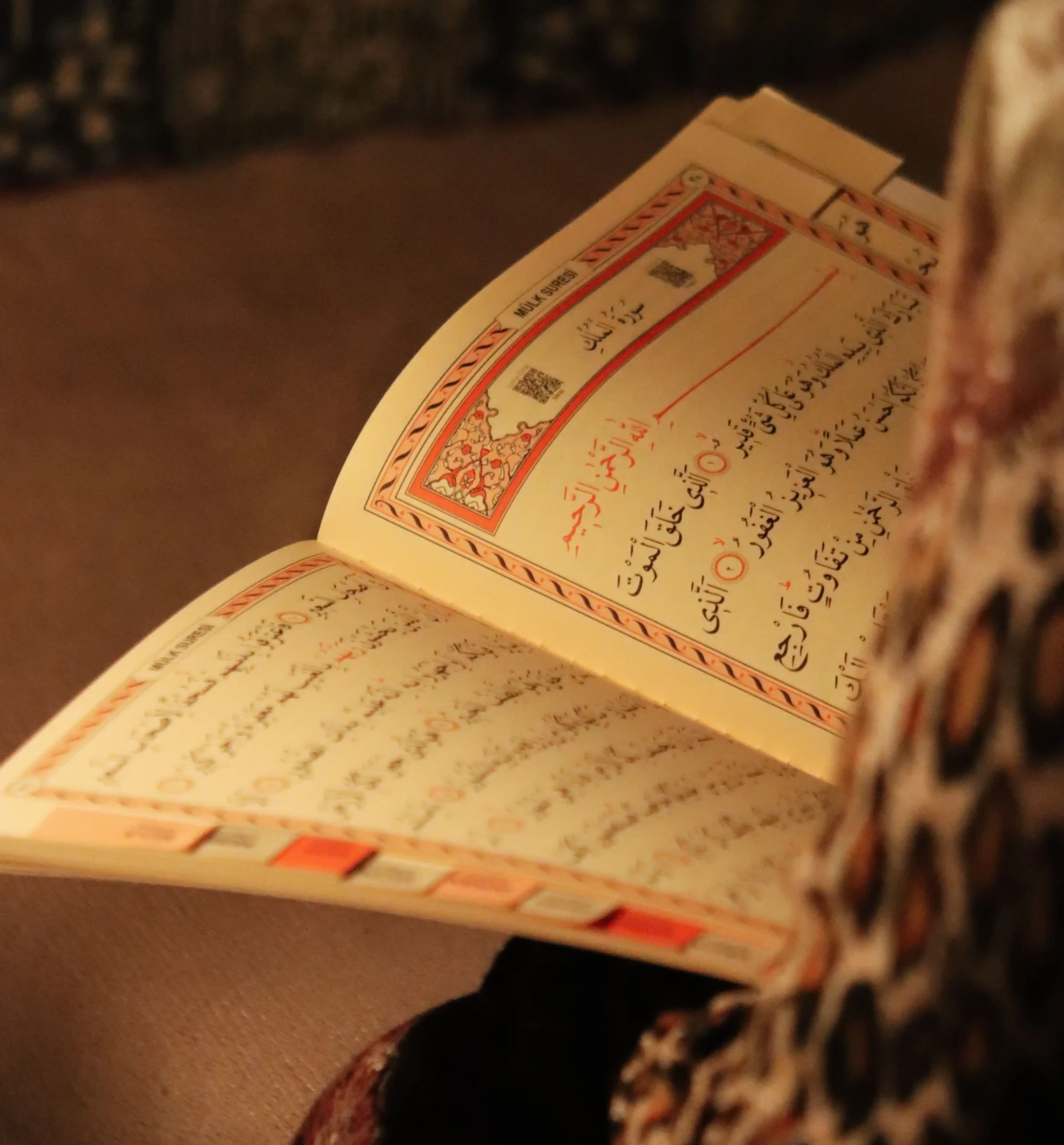
Live one-to-one Hifz classes that balance new memorisation, revision, correction, and a realistic pace.
STRUCTURED HIFZ · REAL REVISIONFor Learners Starting, Continuing, or Rebuilding Hifz.
MIDAD’s online Hifz classes support children, teenagers, and adults at different stages of memorisation. We first look at what the learner can already read and recite, how strong previous Hifz is, and how much revision and practice can realistically be maintained.

The learner should already read Quranic text with enough fluency to memorise and revise without struggling through every word.
Starting Hifz
For learners who can read the Quran well enough to begin memorising and want a clear routine for new lessons, correction, and revision from the beginning.
Continuing Existing Hifz
For learners already memorising who need stronger consistency, closer checking, or a better balance between new portions and revision.
Rebuilding Weak Hifz
For learners whose earlier memorisation has become weak, hesitant, or partly forgotten and needs structured revision before moving forward again.
Adult Hifz & Revision
For adults who want to begin memorising, continue previous Hifz, or strengthen memorisation privately through one-to-one classes and a realistic routine.
Quran Reading or Practical Tajweed may be the better first step. We can check this during the free trial classes.
Start, Continue, or Rebuild Your Hifz.
Begin new Hifz, continue existing memorisation, or strengthen portions that have become weak.
Starting Hifz
Begin with a clear routine for memorisation, correction, and revision.
Continuing Hifz
Keep moving forward while protecting earlier portions.
Rebuilding Weak Hifz
Strengthen forgotten or unstable memorisation before adding more.
Adult Hifz
Memorise or revise privately at a realistic pace.
The learner should already read the Quran with reasonable fluency.
Quran Reading may be the better starting point. We can check this during the free trial.
Start, Continue, or Rebuild Your Hifz.
Begin new Hifz, continue existing memorisation, or strengthen portions that have become weak.
Starting Hifz
Begin with a clear routine for memorisation, correction, and revision.
Continuing Hifz
Keep moving forward while protecting earlier portions.
Rebuilding Weak Hifz
Strengthen forgotten or unstable memorisation before adding more.
Adult Hifz
Memorise or revise privately at a realistic pace.
The learner should already read the Quran with reasonable fluency. If reading is still difficult, Quran Reading may be the better starting point.
Strong Hifz Needs More Than a New Lesson.
New memorisation matters, but it cannot carry the whole Hifz routine. What was learnt yesterday, last week, and months ago must continue returning through revision while mistakes are corrected before they settle.
New Memorisation Needs Revision Around It.
Moving forward only works when earlier memorisation remains strong enough to move forward with it. The amount of new Hifz should therefore stay connected to revision strength, correction needs, and the learner’s available practice time.
Careful New Memorisation
New portions should be prepared with enough repetition and accuracy to give them a stronger starting point instead of rushing ahead with weak recall.
Recent Revision
Newly memorised portions need to return regularly after the first lesson so they become more stable rather than fading soon after they are learnt.
Older Revision
Earlier Hifz must remain part of the routine as new memorisation grows. Weak older portions need attention before they disappear quietly behind newer work.
Early Correction
Mistakes in wording, pronunciation, fluency, or practical Tajweed should be corrected before repeated recitation makes them harder to remove.
A Sustainable Routine
The pace should reflect the learner’s reading level, memory, revision strength, and realistic practice time. More new material is not automatically better progress.
Protect What You Learn While Building More.
Strong Hifz keeps revision active while new memorisation grows.
Memorise Carefully
Build new portions without rushing.
Review Recent Hifz
Strengthen what was memorised recently.
Keep Older Hifz Active
Bring earlier portions back regularly.
Fix Mistakes Early
Correct repeated errors before they settle.
Keep the Pace Realistic
Slow new work when revision needs more attention.
Protect What You Learn While Building More.
Strong Hifz keeps revision active while new memorisation grows.
New Hifz needs revision around it.
Moving forward should not quietly weaken what was already memorised.
Memorise Carefully
Build new portions without rushing.
Review Recent Hifz
Strengthen what was memorised recently.
Keep Older Hifz Active
Bring earlier portions back regularly.
Fix Mistakes Early
Correct repeated errors before they settle.
Balance New Memorisation, Revision, and Correction in Every Hifz Routine.
Each one-to-one Hifz lesson checks more than the newest portion. The teacher listens to new memorisation, corrects important mistakes, reviews recent Hifz, brings older memorisation back according to the learner’s revision plan, and sets a clear target for practice before the next class.
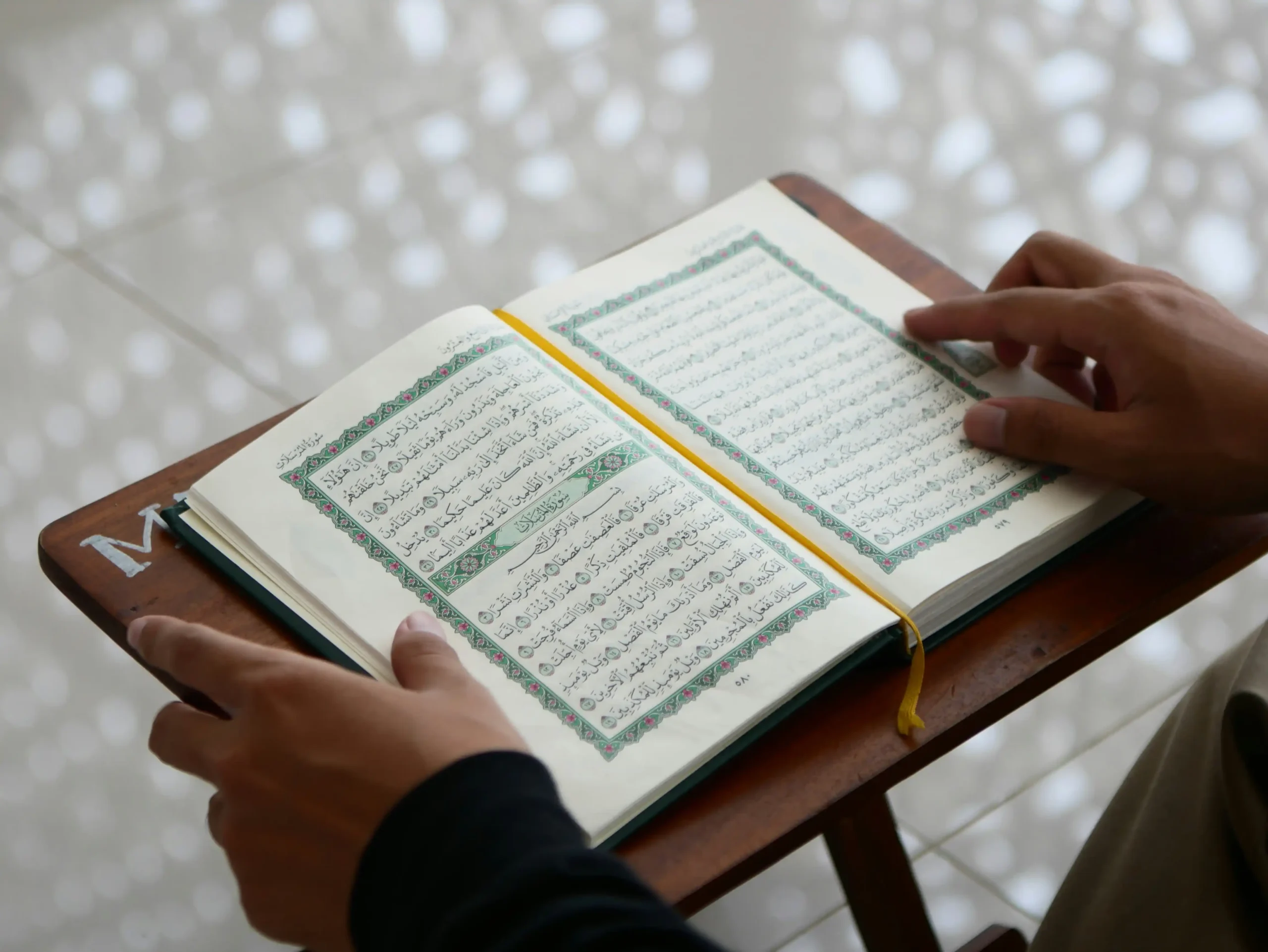
Build new memorisation without leaving older memorisation behind.
Check the New Lesson · Sabaq
The learner recites the prepared portion from memory while the teacher checks wording, recall, fluency, pronunciation, and important Tajweed mistakes.
Correct Key Mistakes
Errors that could become repeated habits are corrected and practised before the lesson moves forward.
Review Recent Hifz · Sabqi
Recently memorised portions are recited again so the teacher can see whether they remain strong after the learner moves on to newer work.
Review Older Hifz · Manzil
Older memorisation returns according to the learner’s revision plan, helping forgotten passages and recurring weak areas remain visible.
Set the Next Practice Target
The learner leaves knowing what to memorise, what to revise, and what mistakes need attention before the next class.
New Hifz, recent revision, older revision, and correction change according to the learner. When revision becomes weak, the amount of new memorisation may need to slow down.
New Hifz. Revision. Correction.
Each lesson checks what is new, what was learnt earlier, and what still needs correction.
Recite Today’s Hifz
The teacher checks the prepared portion from memory.
Fix Key Mistakes
Correct wording, pronunciation, fluency, and Tajweed errors.
Review Recent Hifz
Strengthen portions memorised recently.
Review Older Hifz
Keep earlier memorisation active.
Know What to Practise
Leave with clear memorisation and revision targets.
New Hifz. Revision. Correction.
Check what is new, strengthen what came before, and leave with one clear target.
Recite Today’s Hifz
Check the new portion from memory.
Fix Key Mistakes
Correct what needs attention.
Review Earlier Hifz
Check recent and older revision.
Know What to Practise
Leave with one clear next target.
Build new. Protect old.
See What Is Memorised, Revised, Strong, and Still Weak.
Hifz progress should show more than how many pages have been covered. We keep attention on new memorisation, recent and older revision, recurring mistakes, portions that are becoming stronger, and what should happen next.
New Memorisation
See which portion was prepared, how accurately it was recited from memory, and whether it is strong enough to continue or needs another check.
Recent Revision
Track whether newly memorised portions remain stable after the learner begins working on newer material.
Older Revision
Older Hifz stays visible so weak recall, hesitation, or forgotten passages can be brought back into the revision routine.
Corrections & Repeated Mistakes
Important errors in wording, pronunciation, fluency, or Tajweed remain visible when they need further correction.
Next Hifz Priority
The learner should know whether the next priority is new memorisation, stronger revision, correcting a repeated weakness, or reducing the pace until previous work becomes stronger.
A Clear View of What Is Strong and What Needs Work.
This sample structure shows the areas a Hifz update can cover. It does not invent scores, percentages, or guaranteed outcomes.
Progress is not only what was added. It is also what can still be recited reliably.
Know What Is Strong and What Needs Work.
See what was memorised, what was revised, which mistakes still return, and what comes next.
New Memorisation
See which portion was prepared and how accurately it was recited from memory.
Recent Revision
Check whether newly memorised portions remain stable.
Older Revision
Keep weak or forgotten earlier Hifz visible.
Correction Needed
Repeated mistakes stay visible until corrected.
Next Priority
Know exactly what to memorise, revise, or correct next.
Know What Is Strong and What Needs Work.
See what was memorised, what was revised, which mistakes still return, and what comes next.
Prepared portion checked from memory.
See which recent and older portions remain strong.
Repeated mistakes stay visible.
Know exactly what to prepare and revise next.
Hifz Progress Should Reflect What the Learner Can Truly Recite From Memory.
Memorisation cannot be measured accurately when the learner is reading from the Mushaf, receiving hidden prompts, or moving forward before earlier portions have been properly checked. Clear Hifz rules help the teacher see what is genuinely strong and what still needs work.
Recite Without Looking
When a portion is being checked as memorised, the learner should recite it from memory rather than reading from the Mushaf.
No Hidden Prompting
Parents, siblings, or others nearby should not quietly provide words or corrections during a memorisation check.
Let Mistakes Be Heard
A genuine mistake gives the teacher useful information. Hiding it prevents the teacher from knowing what actually needs correction or revision.
Revision Is Checked Too
New memorisation is not the only part that matters. Recent and older Hifz must also be recited honestly so weak portions can be identified.
Progress Follows Strength
Moving to more new material should depend partly on how well previous memorisation is holding, not simply on how quickly new pages can be prepared.
Real Progress Begins With Honest Recitation.
The aim is a clear picture of what the learner can recite independently, so correction and revision can be planned properly.
Know what is truly strong before adding more.
Honest Checking Protects Real Progress.
The teacher needs to hear what the learner can genuinely recite from memory.
Recite From Memory
Do not read from the Mushaf during a memorisation check.
No Hidden Prompts
Let the teacher hear where recall actually becomes difficult.
Let Mistakes Be Heard
Errors show what needs correction.
Revision Counts Too
Recent and older Hifz must also be checked.
Move Forward When Ready
New work should not hide weak revision.
Honest Checking Protects Real Progress.
The teacher needs to hear what the learner can genuinely recite from memory.
Know what is truly strong before adding more.
Know the Standards Behind Every MIDAD Hifz Class.
Quran memorisation depends heavily on the person listening, correcting, and deciding what should be revised next. MIDAD checks teacher qualifications and recitation standards, supervises classes live, and keeps learning progress visible.
Qualified Quran Teachers
Teachers are Hafiz-e-Quran, with relevant Quran and Tajweed qualifications and supporting documents reviewed before regular teaching.Hafiz-e-Quran with relevant documents reviewed.
Recitation Assessed
Quran recitation, pronunciation, fluency, and practical Tajweed application are assessed before a teacher is assigned to regular classes.Recitation, pronunciation, fluency, and Tajweed checked.
Live Class Supervision
Hifz classes are supervised live to support responsible teaching and help maintain consistent learning standards.Classes sit within MIDAD’s live-supervision system.
Progress Visibility
Adult learners can follow their own Hifz progress, while parents of younger learners receive clear updates about memorisation, revision, corrections, and next priorities.Know what is memorised, revised, and still weak.
CLEAR STANDARDS. VISIBLE RESPONSIBILITY.
You should know how the learner is being taught, what is becoming stronger, and where more revision or correction is still needed.Know how the learner is being taught, what is stronger, and what still needs revision or correction.
Know What Supports Every Hifz Class.
Teacher checks, recitation assessment, live supervision, and visible progress support the Hifz system.
Four checks behind regular Hifz classes.
Build a Hifz Routine Around the Learner’s Real Starting Point.
Tell us what has already been memorised, how strong the revision is, and how much practice time is realistic. We’ll use the trial classes to understand where new memorisation and revision should begin.
Book 3 Free Hifz Trial Classes
Share a few details about the learner’s reading, current memorisation, revision routine, and learning needs.
Clear Monthly Pricing for a 5-Day Hifz Routine.
MIDAD’s Hifz plan includes five live one-to-one classes each week, with 45 minutes per session for memorisation, revision, listening, and correction. Start with three free trial classes and pay only if you decide to continue.
3. Your Hifz Routine
45-minute live one-to-one classes5 Days / Week
A consistent weekly routine for new memorisation, recent revision, older revision, and correction.
5 days per week · 45-minute one-to-one classes
One Clear Hifz Plan. No Hidden Charges.
Five 45-minute one-to-one Hifz classes each week. Start with three free trials and pay only if you continue.
5 Days / Week
Five one-to-one sessions each week for new Hifz, revision, listening, and correction.
Questions About Online Quran Memorization Classes & Hifz
Find clear answers about Hifz readiness, new memorisation, revision, Tajweed correction, class routine, progress tracking, and the free trial.
01 Does the Learner Need to Read the Quran Before Starting Hifz?
Usually, yes. The learner should be able to read Quranic text with enough fluency to prepare new portions and revise them independently between lessons. If basic reading still needs considerable help, Quran Reading or Practical Tajweed may be the better first step.
02 Can Children, Teenagers, and Adults Join Hifz Classes?
Yes. MIDAD’s one-to-one Hifz classes can support children, teenagers, and adults. The starting point and pace depend on reading ability, existing memorisation, revision strength, and available practice time rather than age alone.
03 Can I Start Hifz From the Beginning or Continue What I Already Memorised?
Both. A learner can begin new Hifz, continue memorisation started elsewhere, or resume after a break. We first check the current level so we do not assume that every previously memorised portion is equally strong.
04 Can You Help Rebuild Weak or Forgotten Hifz?
Yes. When previous memorisation has become weak, the routine can focus more heavily on checking, correction, and repeated revision before adding much new material.
05 How Do the Online Hifz Classes Work?
The learner recites new memorisation live with the teacher, receives correction, reviews recent Hifz, revisits older memorisation according to the revision plan, and leaves with a clear target for home practice.
06 What Do Sabaq, Sabqi, and Manzil Mean?
Sabaq is the new memorisation being prepared. Sabqi refers to recently memorised portions that need frequent revision. Manzil refers to older memorisation that must continue returning so it remains strong. We use the English meaning alongside these terms so the routine stays clear.
07 How Do You Balance New Memorisation and Revision?
The balance depends on how strong the existing Hifz is. When recent or older portions begin weakening, the amount of new memorisation may need to reduce until revision becomes more stable. Moving forward is not useful if too much earlier memorisation is being lost.
08 Is Tajweed Corrected During Hifz?
Yes. Important pronunciation, fluency, and practical Tajweed mistakes are corrected during memorisation and revision so repeated errors are less likely to become fixed inside the learner’s Hifz. Learners who need deeper rule-based work may also benefit from the Practical Tajweed course.
09 How Often Are Hifz Classes and How Long Is Each Lesson?
MIDAD’s regular Hifz routine is five days per week, with one live 45-minute one-to-one class each day. The lesson time is used across new memorisation, revision, correction, and the learner’s current priorities.
10 How Long Does It Take to Memorise the Quran?
There is no responsible fixed timeline for every learner. The pace depends on reading level, memory, consistency, amount of daily practice, strength of revision, existing Hifz, and how much new material can be added without weakening earlier portions.
11 How Is Hifz Progress Tracked?
Progress includes more than the amount newly memorised. We keep attention on new Hifz, recent and older revision, recurring mistakes, stronger portions, and the learner’s next priority. Adult learners can follow their own progress, while parents remain informed for younger students.
12 How Do the 3 Free Hifz Trial Classes Work?
The learner joins three live one-to-one Hifz classes before enrolment. We use them to understand reading ability, current memorisation, revision strength, correction needs, and realistic practice time. You can then decide whether to continue with the regular Hifz plan. No payment is required before the trial.
Questions Before Starting Hifz
Quick answers about readiness, revision, class routine, progress, and the free trial.
01Do I Need to Read Quran First?−
Usually, yes. The learner should read well enough to prepare and revise Hifz independently.
02Can Children and Adults Join?+
Yes. Children, teens, and adults can follow a Hifz routine based on their current level.
03Can I Continue Existing Hifz?+
Yes. We check what is already memorised before deciding where to continue.
04Can Weak Hifz Be Rebuilt?+
Yes. Weak portions can receive more checking and revision before new memorisation increases.
05How Do Hifz Classes Work?+
Each lesson combines new memorisation, correction, revision, and a clear next target.
06What Are Sabaq, Sabqi & Manzil?+
Sabaq is new Hifz, Sabqi is recent revision, and Manzil is older revision.
07How Is Revision Balanced With New Hifz?+
If revision becomes weak, new memorisation can slow down until earlier portions become stronger.
08Is Tajweed Corrected?+
Yes. Important pronunciation and Tajweed mistakes are corrected during Hifz and revision.
09How Often Are Classes?+
Regular Hifz classes run five days per week for 45 minutes each.
10How Long Does Hifz Take?+
It depends on the learner’s level, practice, revision strength, memory, and consistency. We do not promise a fixed timeline.
11How Is Progress Tracked?+
See what was memorised, revised, corrected, strengthened, and what needs attention next.
12How Do the Free Trials Work?+
Join three one-to-one classes before enrolment. We assess the starting point, you experience the teaching, and you decide afterward.
Experience the Hifz Routine Before You Decide.
Join three live one-to-one Hifz classes and see how memorisation, revision, correction, and progress checking are handled before you decide whether to continue.
No payment before the trial. Experience the teaching first and decide afterward.
