
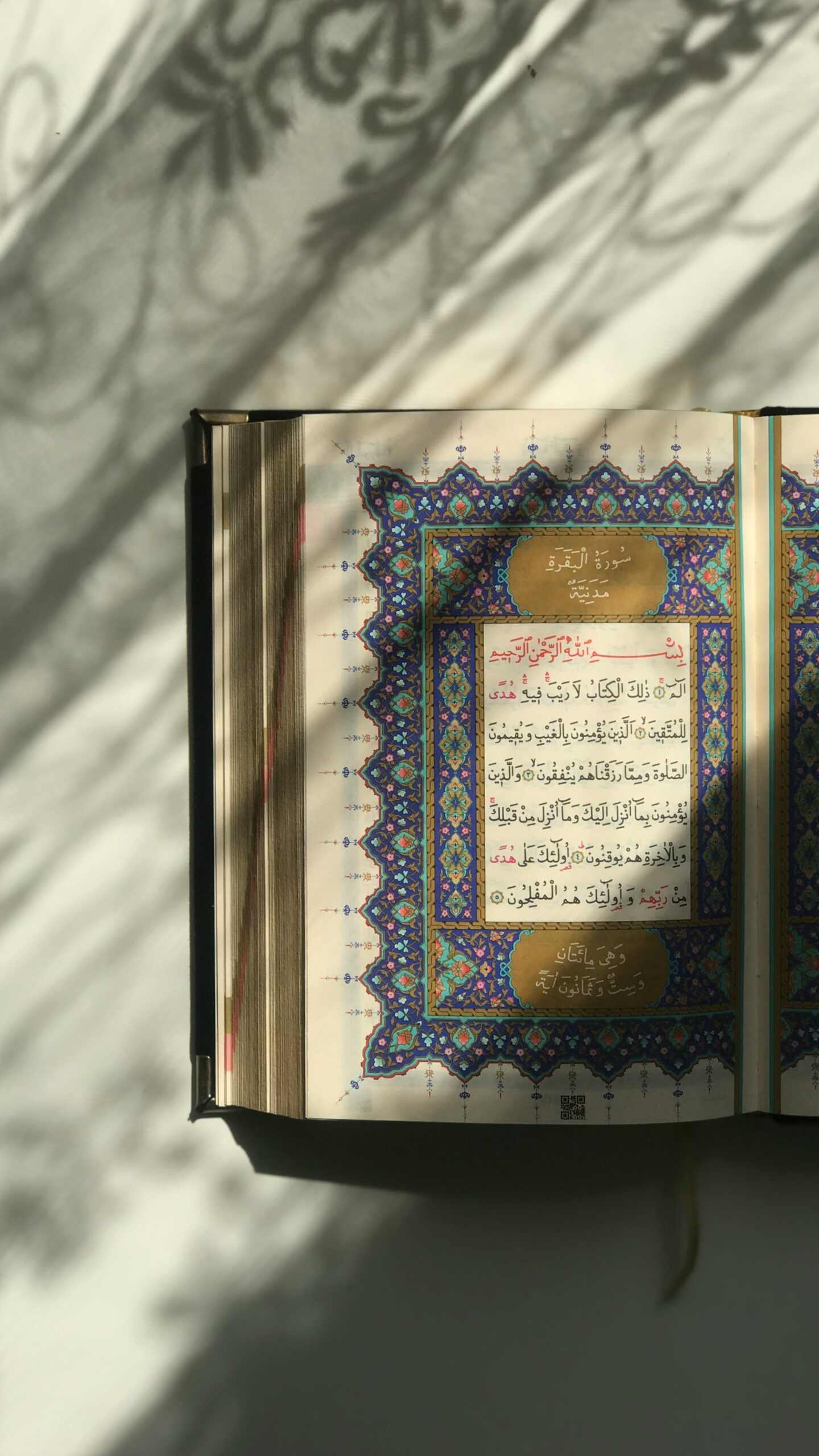
Your child may be able to read Arabic words from the Quran but still pronounce some letters incorrectly.
They may confuse similar sounds, stretch letters for too long, or rush through places where they need to pause. This is where Tajweed becomes important.
Tajweed should not feel like a long list of difficult Arabic terms. For a child, it should be practical: hear the sound, understand the correction, practise it, and apply it while reading the Quran.
A child should gradually learn to recognise, produce, and apply correct sounds during real Quran recitation.
What Does Tajweed Mean?
Tajweed is the correct way of pronouncing Quranic letters and applying the rules of recitation.
Tajweed is not only about making the recitation sound pleasant. Its first purpose is accuracy. A child needs to learn how each sound should be produced and how it changes within Quranic words.
Why Tajweed Matters in Quran Recitation
“And recite the Quran properly in a measured way.”Surah Al-Muzzammil, Ayah 4
This direction teaches us that Quran recitation should be careful and controlled.
Children naturally make pronunciation mistakes while learning. The concern begins when the same mistake is repeated for months without being noticed or corrected. Over time, the incorrect sound can become familiar and harder to repair.
Practical Tajweed helps the child:
What Are Makharij?
Makharij are the articulation points from which Arabic letters are pronounced.
Some sounds involve the lips. Some involve different parts of the tongue. Others come from the throat or nasal passage.
A child may confuse:
A teacher may ask the child to notice:
- Where the tongue is placed
- Whether the lips are open or rounded
- Whether the sound is heavy or light
- Whether the sound comes from the throat
- Whether air continues or stops
Children do not need a complicated anatomical lecture. They need a simple demonstration followed by guided practice.
Practical Tajweed Is More Than Memorising Rules
A child may know that a rule is called Ikhfa, Idgham, or Qalqalah but still fail to apply it while reading. Knowing the name of a rule is not the same as using it correctly.
Listen to the Correct Recitation
The child first hears the sound or rule applied clearly.
Identify the Target
The teacher explains the specific sound or rule being practised.
Watch or Hear the Demonstration
The teacher shows how the sound is formed and where it comes from.
Repeat a Short Example
The child practises one sound, word, or short phrase.
Receive Immediate Correction
The teacher corrects the attempt before the mistake is repeated.
Apply It Inside an Ayah
The child uses the skill during real Quran recitation.
Review It Later
The same skill returns in future lessons until it becomes more stable.
Terminology can be introduced gradually. Application should remain the priority.
A structured Practical Tajweed Course should help the child apply rules during Quran reading, not merely memorise their names.
Signs Your Child May Need Tajweed Support
Not every mistake requires a separate Tajweed course. Sometimes a child needs a stronger Quran reading foundation first.
A Quran Reading Course may be the better starting point when letter recognition, joining, or basic reading is still insecure.
How Tajweed Should Be Taught to Children
Start With the Most Important Errors
Select one main target, such as the difference between س and ص, instead of introducing many rules at once.
Use Clear Demonstration
Produce the sound clearly and at a suitable speed. Give the child enough time to listen before repeating.
Explain in Simple English
Use short instructions such as “keep the sound light,” “do not stretch,” or “let the sound continue through the nose.”
Correct Without Embarrassing
Correction should be direct but calm. Harsh reactions can make a child nervous about reading aloud.
Review Previous Rules
A rule is not secure because the child applied it once. It should be checked again in future passages.
Why Live Teacher Correction Matters
Videos and recordings can demonstrate correct recitation. They are useful for listening and repetition, but they cannot always tell the child:
- Which sound was incorrect
- Why it was incorrect
- How the mouth position should change
- Whether the correction was successful
- Which mistake should be prioritised
A teacher can hear the child’s actual recitation and respond immediately. This is especially important with Makharij because a small difference in tongue, throat, or lip position can change the sound.
Parents can meet Midad’s Quran teachers and review how teacher qualifications and recitation are assessed before lessons begin.
How Parents Can Support Tajweed at Home
Follow the Teacher’s Target
Focus on the sound or rule currently assigned instead of introducing several new corrections.
Keep Practice Short
Five focused minutes can be more useful than a long session filled with arguments.
Use Assigned Audio
Let the child listen to the exact ayat or words selected by the teacher.
Avoid Guesswork
When unsure about a correction, note the word and ask the teacher during the next lesson.
Praise Careful Reading
Notice when the child slows down, listens, or corrects themselves. These are meaningful signs of learning.
How to Choose a Tajweed Course for Your Child
Before enrolling, ask whether the course includes:
Avoid choosing a course only because it covers a large number of rules. A smaller number of rules applied correctly is more valuable than a long list the child cannot use.
Review Midad’s Quran Class Plans and Fees before deciding which weekly schedule suits your family.
Tajweed Should Improve the Child’s Actual Recitation
The purpose of Tajweed lessons is not to fill a notebook with definitions. The purpose is to improve how the child reads.
Good Tajweed teaching helps a child hear more carefully, pronounce more accurately, and recognise their own mistakes.
Progress may be gradual. One letter may require repeated practice. One rule may need to be reviewed in several different surahs. That is normal.
Frequently Asked Questions
At what age should a child start Tajweed?
Simple pronunciation correction can begin as soon as the child starts learning Quranic letters. More formal rules can be introduced gradually according to the child’s reading level and understanding.
Should my child finish Qaida before learning Tajweed?
Basic Tajweed can be taught during Qaida lessons. Detailed rules should not distract the child from building secure letter recognition and word-reading skills.
What is the difference between Tajweed and Makharij?
Makharij refers to where Arabic sounds are produced. Tajweed is broader and includes articulation, letter qualities, elongation, nasal sounds, stopping rules, and other aspects of recitation.
Can children learn Tajweed online?
Yes. Online Tajweed lessons can work well when the teacher listens live, demonstrates clearly, corrects immediately, and gives the child individual practice.
How long does learning Tajweed take?
There is no fixed timeframe. It depends on the child’s starting level, lesson frequency, practice, age, and the mistakes that need correction.
Can recordings replace a Tajweed teacher?
Recordings support listening practice, but they cannot reliably diagnose the child’s individual pronunciation or confirm whether a correction has been applied correctly.
Not Sure Whether the Main Need Is Reading or Tajweed?
Begin with three completely free one-to-one trial classes. We will help you understand whether your child needs stronger reading foundations, focused pronunciation correction, or a structured Tajweed plan.
